
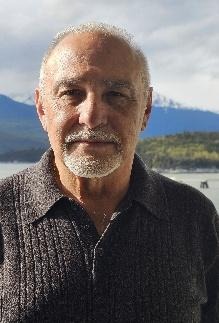
Ceremonial Biography of Commander Phillip Gonzales
Commander Phillip Gonzales is a retired United States Army veteran whose distinguished career reflects more than two decades of honorable service, steadfast leadership, and unwavering devotion to the Nation. Throughout the first ten years of his military service, he served in combat arms and held key leadership positions, including Squad Leader and 81mm Mortar Section Sergeant and Platoon Sergeant. In these demanding assignments, he cultivated a reputation for discipline, operational excellence, and mission readiness while leading soldiers in challenging and consequential environments.
In the second decade of his Army career, Commander Gonzales transitioned into the military medical field, where he continued to distinguish himself through exceptional leadership and administrative expertise. He served as the Noncommissioned Officer in Charge of the Department of Surgery at Madigan Medical Center, one of the Army’s premier medical institutions, where he supervised more than 30 personnel across 13 clinics and ensured effective delivery of critical support functions. He later served as the Noncommissioned Officer in Charge of the Clinical Support Division for the 196th Hospital at SHAPE, Belgium, where he contributed to the successful coordination and management of essential clinical operations during a significant overseas assignment.
Upon concluding a remarkable military career, Commander Gonzales retired after 20 years of faithful and honorable service to the United States Army. His record of service stands as a testament to uncommon versatility, uniting combat arms experience with senior medical leadership, and reflecting a career defined by excellence, professionalism, and enduring commitment to those with whom he served.
Following his retirement from military service, Commander Gonzales embarked upon a distinguished 30-year career with the Washington State Department of Social and Health Services, where he served as an IT Business Analyst. In that capacity, he helped develop programs and technology solutions that advanced the agency’s operational effectiveness and strengthened support for its mission and the communities it serves.
Among his many contributions to public service, Commander Gonzales supported the development of the Latino Leadership Network for state employees and played an instrumental role in guiding strategic planning efforts for multiple administrations within DSHS. His work enhanced organizational planning, strengthened employee engagement, and fostered meaningful cross-functional collaboration. He also pursued studies in Hospital Administration and Business at the University of Maryland, further reflecting his lifelong commitment to leadership and professional growth.
Following his retirement from state service, Commander Gonzales deepened his commitment to the veteran community through active involvement with the National Association for Black Veterans (NABVETS). In recognition of his leadership, integrity, and steadfast dedication to fellow veterans, he was elected Commander of the Command Council for NABVETS in Washington State.
Today, Commander Gonzales remains a steadfast advocate for veterans, working to ensure that those who have served our Nation receive the recognition, support, and benefits they have rightfully earned. His life and career exemplify the highest ideals of military service, public stewardship, and community leadership, and stand as an enduring example of service above self.
List of councils I belong to:
- NAACP Veterans Council
- Veteran’s Legislative Council
- Governors Veterans Council
- NABVETS Command Council
Assistant Commander
The National Association for Black Veterans, Inc. recognizes and honors Reverend Doctor Martin Luther King, Jr. for his unwavering commitment to social justice through peaceful nonviolence means. This message would resonate not only in the United States but abroad as well. Dr. King made mention that the lack of adequate health care and poverty are issues that true Americans can not be silent about. He stressed that “injustice anywhere is a threat to justice everywhere.” ROBERT L. WATSON